- Home
- About
- Consulate
- Bilateral
-
Trade & Commerce
- Commercial Representative
- Investment Incentives
- Indian Geographical Indications (GIs)
- Hosted Buyer Programme
- Upcoming Trade Events in India
- Trade Organisations India
- Useful Indian Trade & Commerce Websites
- India New Zealand Trade Organisations
- New Zealand Trade Organisations
- Make In India
- Invest India
- Market Research
- Consular Services
- Indian Diaspora
-
Education
- Study in India - SII Portal
- Education in New Zealand
- Students Handbook for Studying Abroad
- Sanskrit Learning App - Little Guru
- Hindi Scholarship 2026-2027
- ICCR Scholarships 2026-2027
- ICCR AYUSH Scholarship Scheme 2026-2027
- International Hindi Olympiad 2026
- Scholarship Programme for Diaspora Children (SPDC) 2025-26
- Tenders
- Media
- Archives
- Contact
- Citizens Corner
- Celebrating 100 Years of Unity through Sport
Speeches & Interviews
Address by H.E. Muanpuii Saiawi, High Commissioner of India on occasion of World Sanskrit Day, 28th August 2026
August 31, 2026
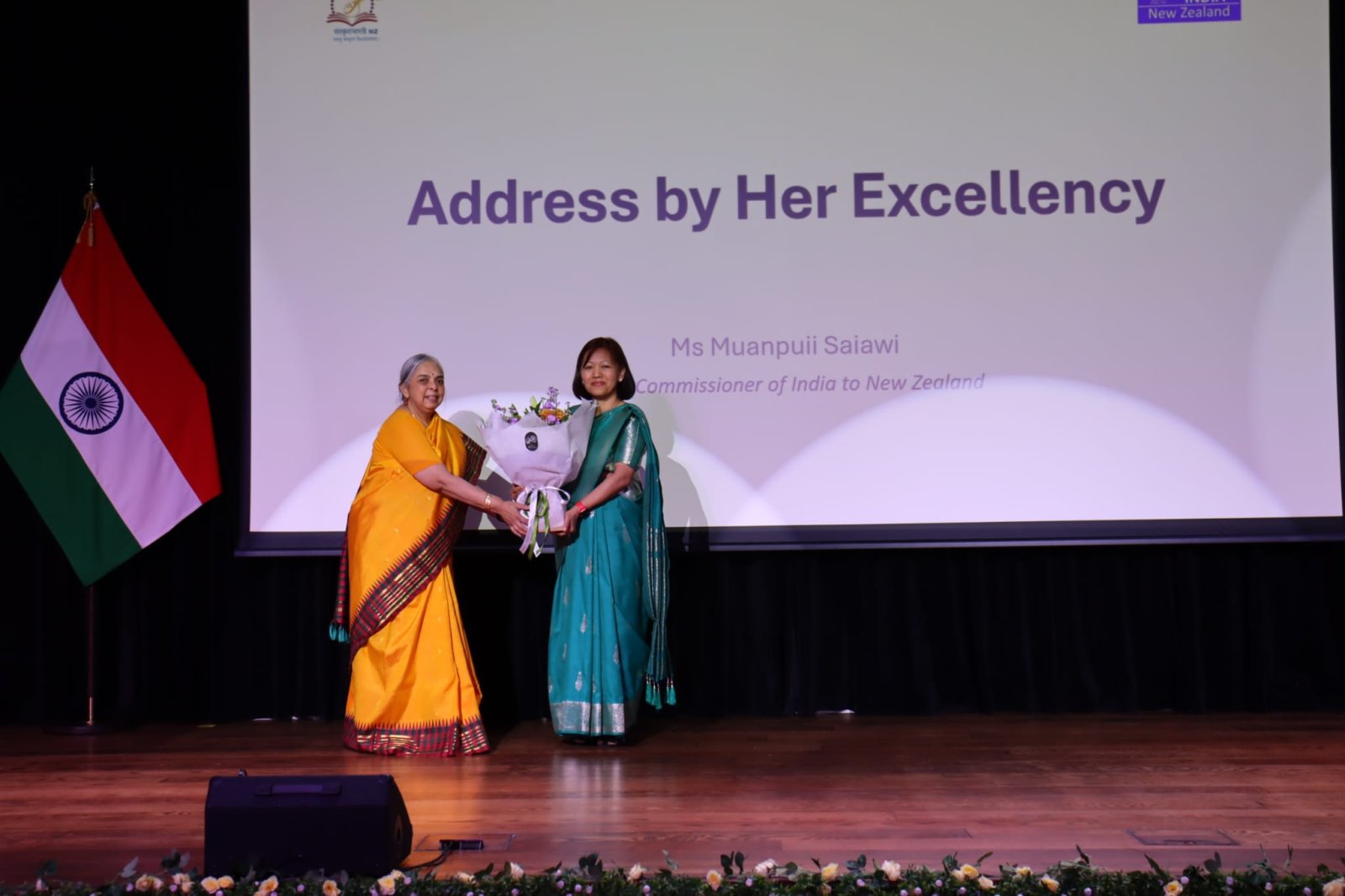
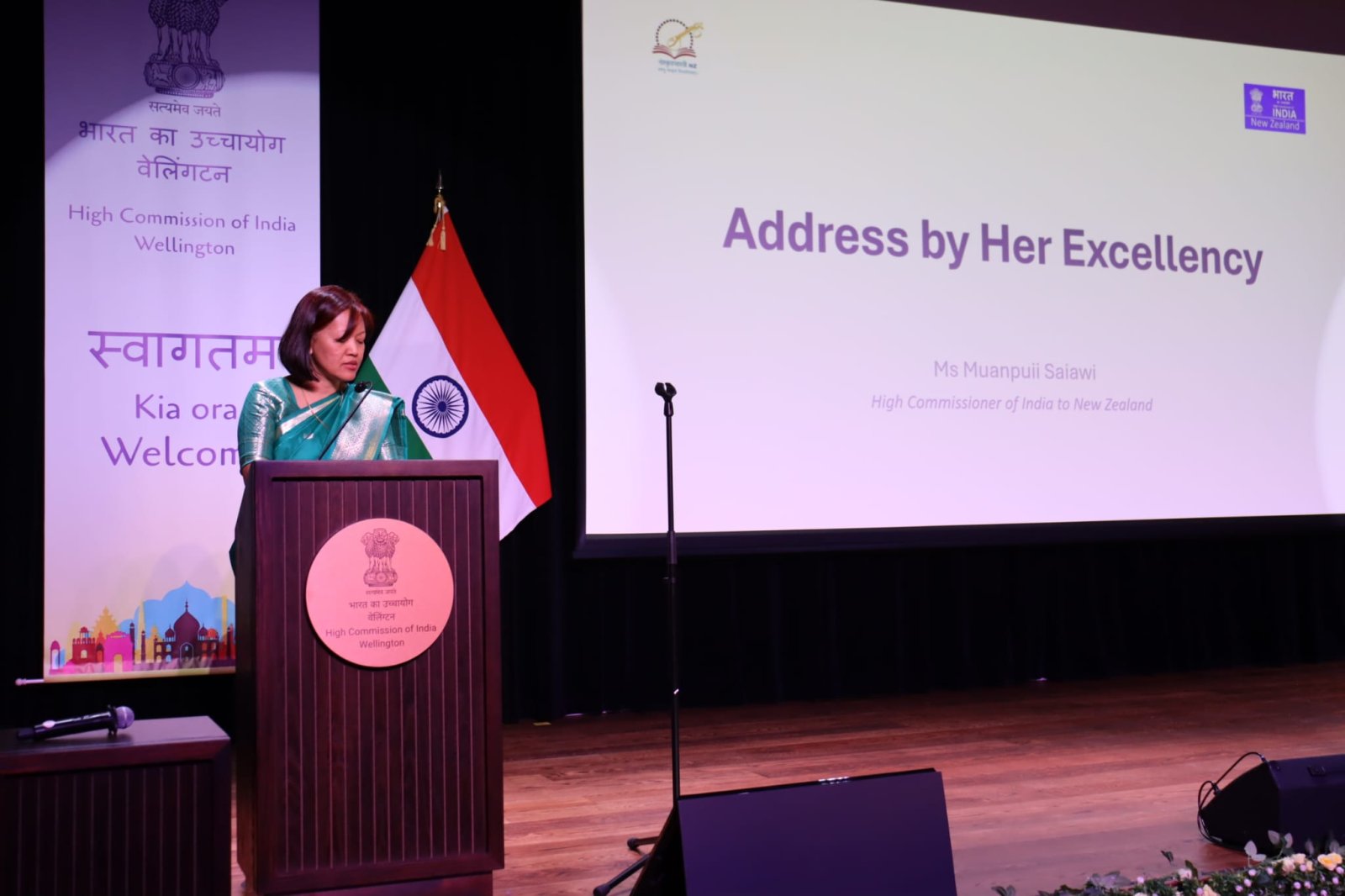
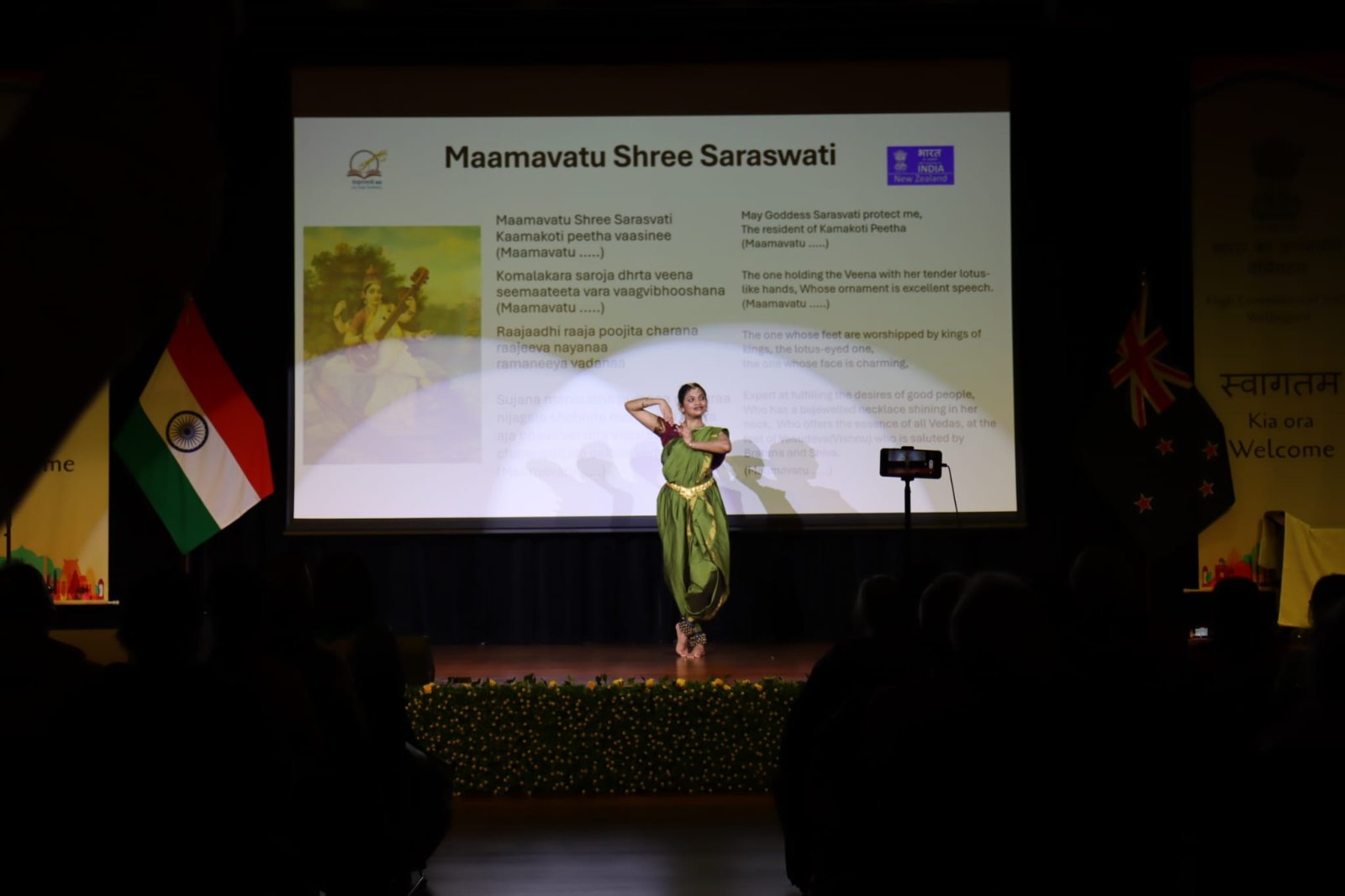
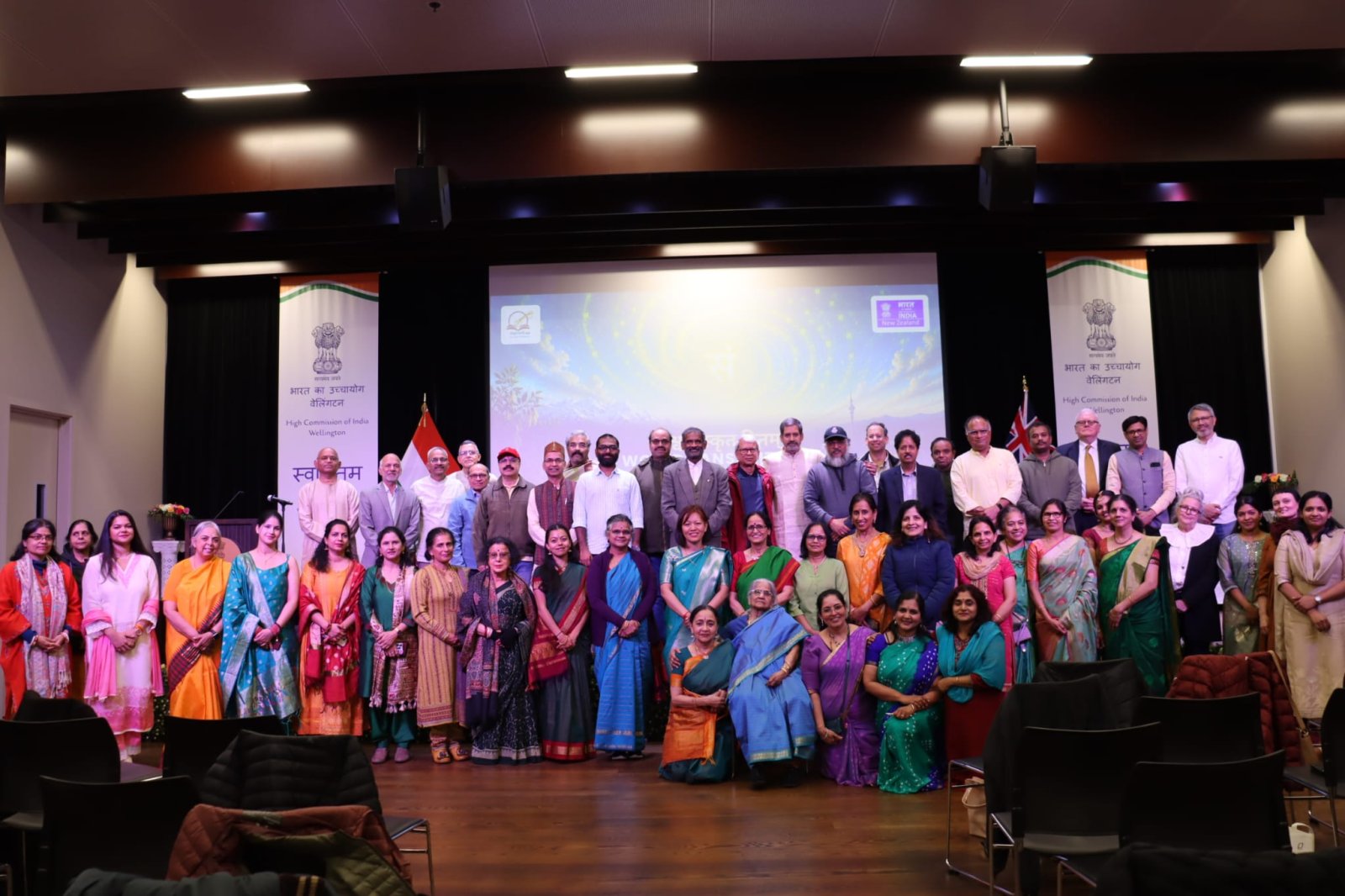
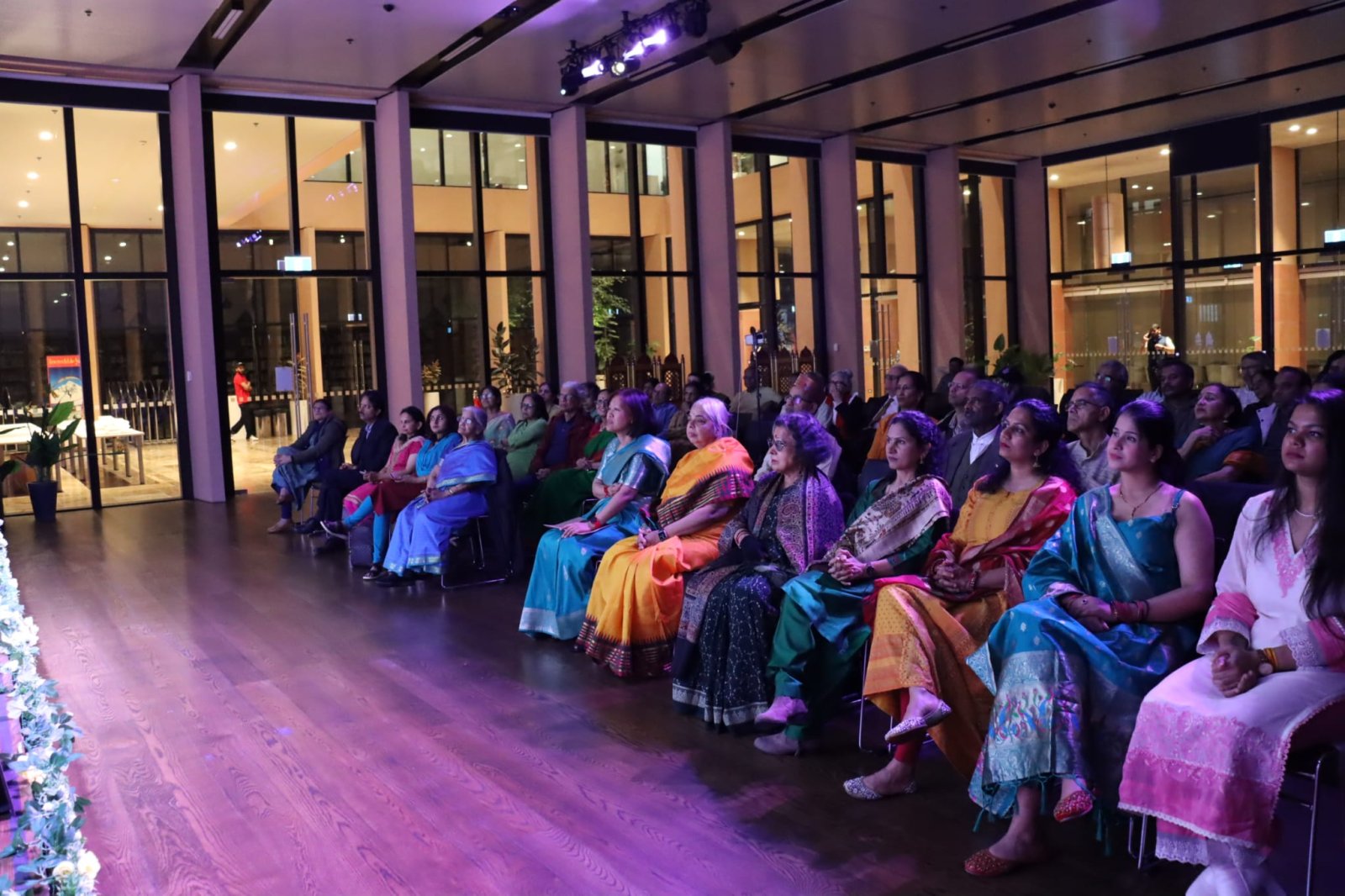
Address by H.E. Muanpuii Saiawi, High Commissioner of India on occasion of World Sanskrit Day, 28th August 2026
Namaste. Svagatam !
My acknowledgment to Jayshree Ravi, President of Samskrita Bharati New Zealand and its members;
Scholars, teachers, students, members of the Indian community, Good Evening to everyone!
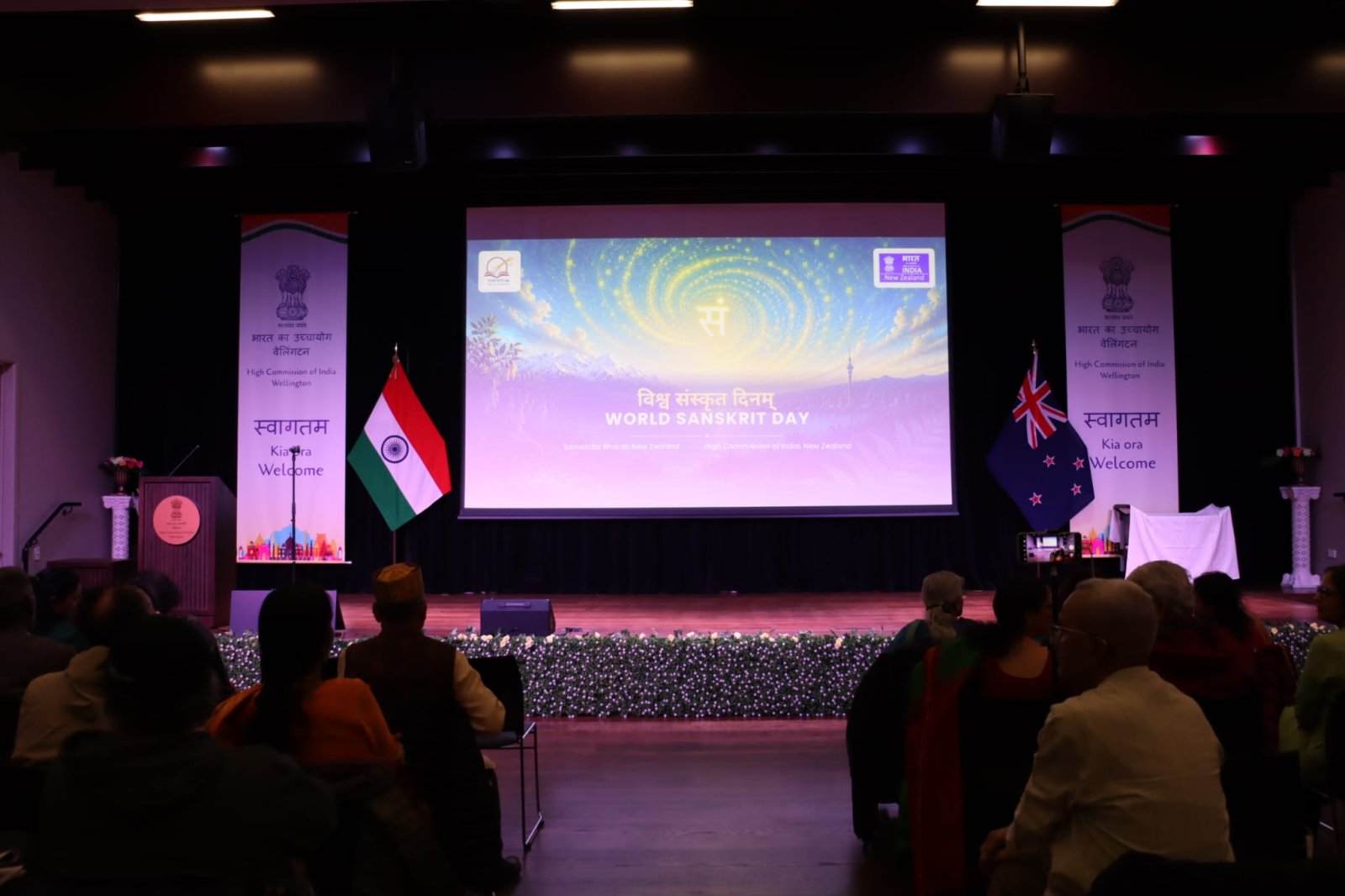
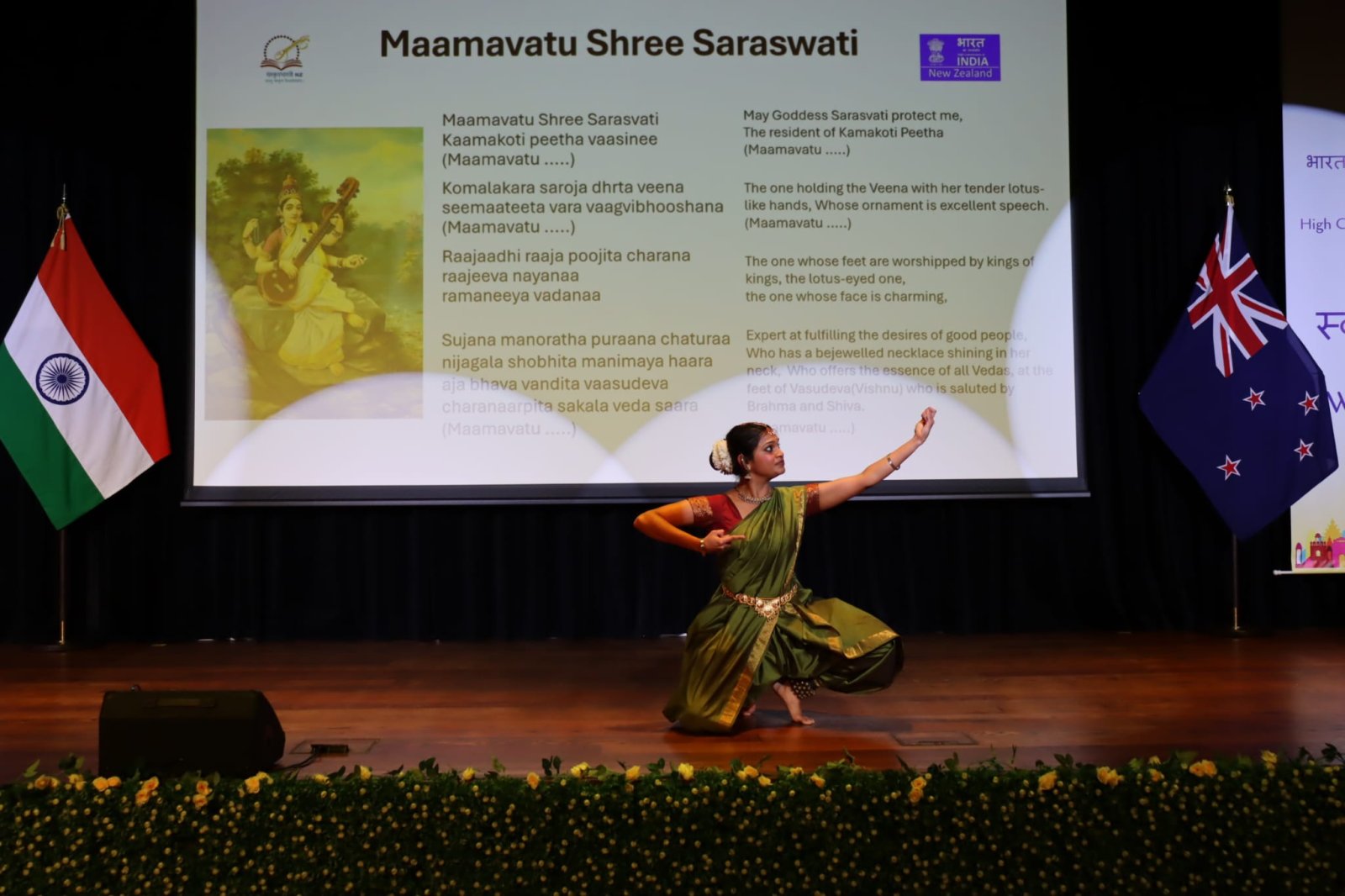
It is a pleasure to be with you today on the occasion of World Sanskrit Day which is also called as Vishva Samskrita Dinam. Sanskrit is not only an ancient language. It is a living part of India’s knowledge, culture and heritage. It has carried our thoughts, our stories, our philosophy and our knowledge from one generation to another.
- Sanskrit Diwas was first observed in 1969 with the aim to promote awareness and appreciation of Sanskrit, one of the oldest languages in the world and often regarded as the mother of many Indian languages. India’s new National Education Policy (NEP) places strong emphasis of the Indian Knowledge system, with Sanskrit as its core pillar. Today, we celebrate this day to create greater awareness about Sanskrit and to encourage young people to learn and appreciate this beautiful language.
- For India, Sanskrit is a bridge between our past and our present. Some of the greatest works of Indian literature, philosophy, mathematics, astronomy, medicine, music and many other areas of knowledge were written in Sanskrit. Concepts such as Shunya, or Zero, Yoga and Ayurveda are closely connected with Sanskrit knowledge.
- The great grammarian Panini developed a remarkably precise system of Sanskrit grammar more than 2000 years ago. Even today, his work continues to inspire scholars. It reminds us that the ancient Indian tradition gave great importance to language, logic and clear thinking.
- The name Bharat comes from Sanskrit. Our space programme uses the beautiful Sanskrit-based name Chandrayaan. Even in modern discussions about computers, algorithms and artificial intelligence, scholars
have shown interest in the precise and structured nature of Sanskrit. Most importantly, Sanskrit carries values that remain relevant in our daily life.
- Hon Prime Minister Shri Narendra Modi has often shared Sanskrit verses and spoken about the importance of our civilisational knowledge. He has reminded us that India's rich history, culture and traditions are deeply connected with Sanskrit and that knowledge of Sanskrit connects us with our rich heritage.
Hon Prime Minister, shared a Sanskrit Subhaashitam highlighting the importance of wisdom, diligence and noble conduct in the creation of a virtuous society. The verse urges individuals to follow the path of light and wisdom, remain vigilant and steadfast in their efforts, and contribute towards building a noble and virtuous society:
“ तन्तुं तन्वन्रजसो भानुमन्विहि ज्योतिष्मतः पथो रक्ष धिया कृतान्।
अनुल्बणं ” वयत जोगुवामपो मनुर्भव जनया दैव्यं जनम्॥
- Sanskrit should not remain only in books. We should encourage children and young students to hear it, speak it, read it and understand its simple and beautiful ideas. We do not need to be Sanskrit scholars to appreciate Sanskrit. Even one shloka, one word or one idea can open a window into India's intellectual and cultural tradition. As you may know, the motto inscribed beneath India's national emblem is itself drawn from Sanskrit: Satyameva Jayate - "Truth alone triumphs."
- As we celebrate Sanskrit Diwas today, let us make the commitment to preserve our heritage, share it with the younger generation and keep the language connected with the modern world. To Samskrita Bharati New Zealand who has helped organise this programme – I convey appreciation for the valuable work you are doing in teaching and propagating our ancient language.
बहुत-बहुत धन्यवाद।
जय हिन्द!
*****